
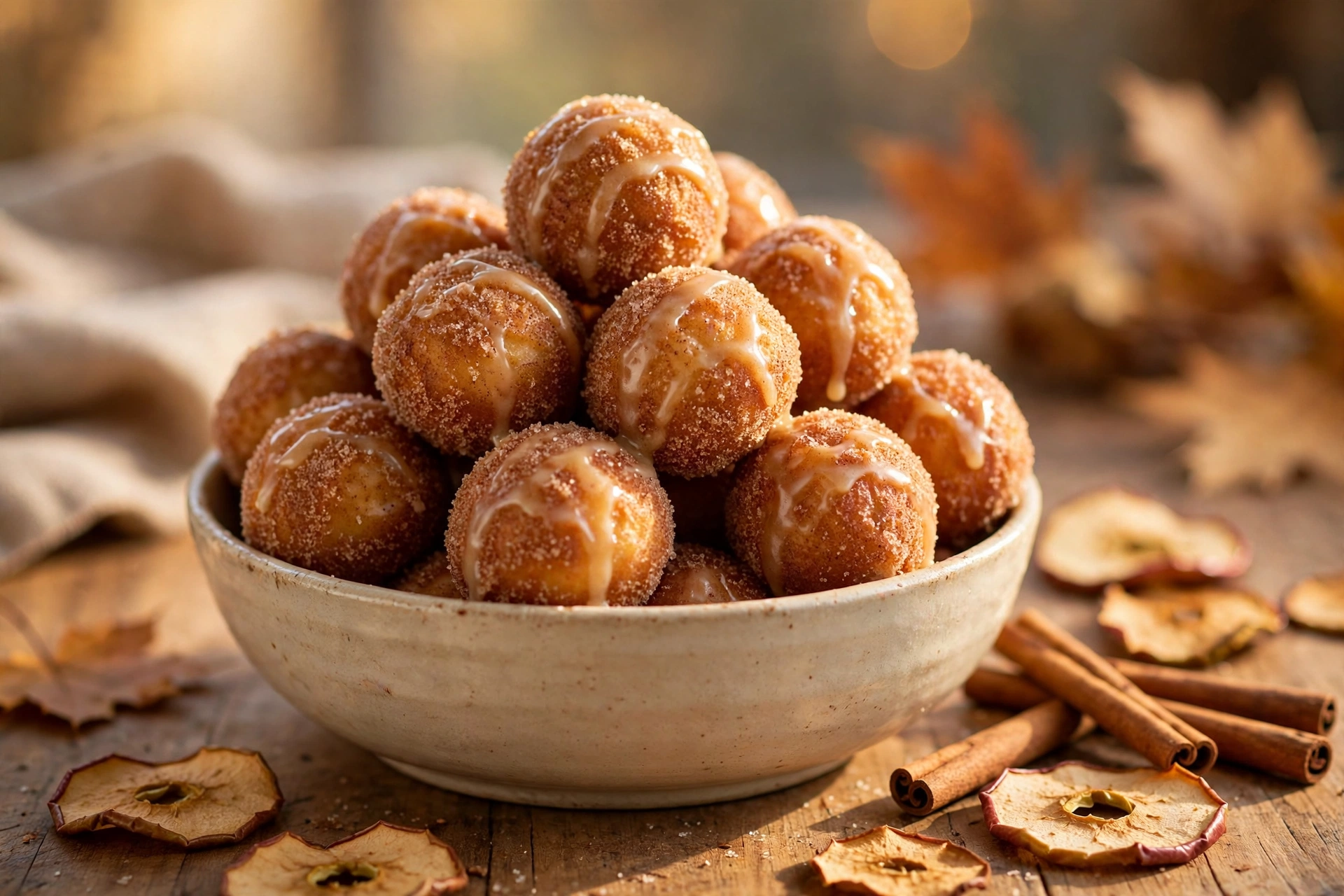
There is a particular kind of fall morning that smells like apples and cinnamon before you even get out of bed, and these Easy Apple Cider Donut Holes are exactly that morning, rolled into warm little bites. They are golden on the outside, soft and fluffy on the inside, and coated in cinnamon sugar that crackles just a little when you bite in. The apple cider in the batter gives them a gentle tang and a real orchard flavor that plain sugar donuts never have, and a drizzle of sweet cider glaze on top makes them taste like the best part of a trip to the apple orchard, no driving required.
Here is the best part: the whole batch is ready in 30 minutes, start to finish, with no yeast, no rising, no rolling, and no donut cutter to wash. You stir one bowl of dry ingredients, one bowl of wet ingredients, scoop the thick batter straight into hot oil, and three minutes later you are rolling warm donut holes in cinnamon sugar.
These little donut holes are endlessly useful. Pile them in a bowl for a cozy fall breakfast, pack a few in a lunchbox as a sweet surprise, or set them out with coffee when friends drop by. Kids love rolling them in the cinnamon sugar, which makes this a wonderful recipe to cook together.
Apple cider is the quiet hero here. Real, cloudy, unfiltered cider carries a much deeper apple flavor than clear apple juice, and that flavor is what survives the hot oil and makes these donut holes taste like apples instead of just tasting sweet. If you want the full orchard experience, serve a batch of these alongside a mug of our Easy Slow Cooker Spiced Apple Cider.
Recipe at a Glance
Prep Time: 15 minutes | Cook Time: 15 minutes | Total Time: 30 minutes | Yield: 24 donut holes | Servings: 8 servings (3 donut holes per serving) | Method: Fried (baked option in the FAQ below)
Ingredients
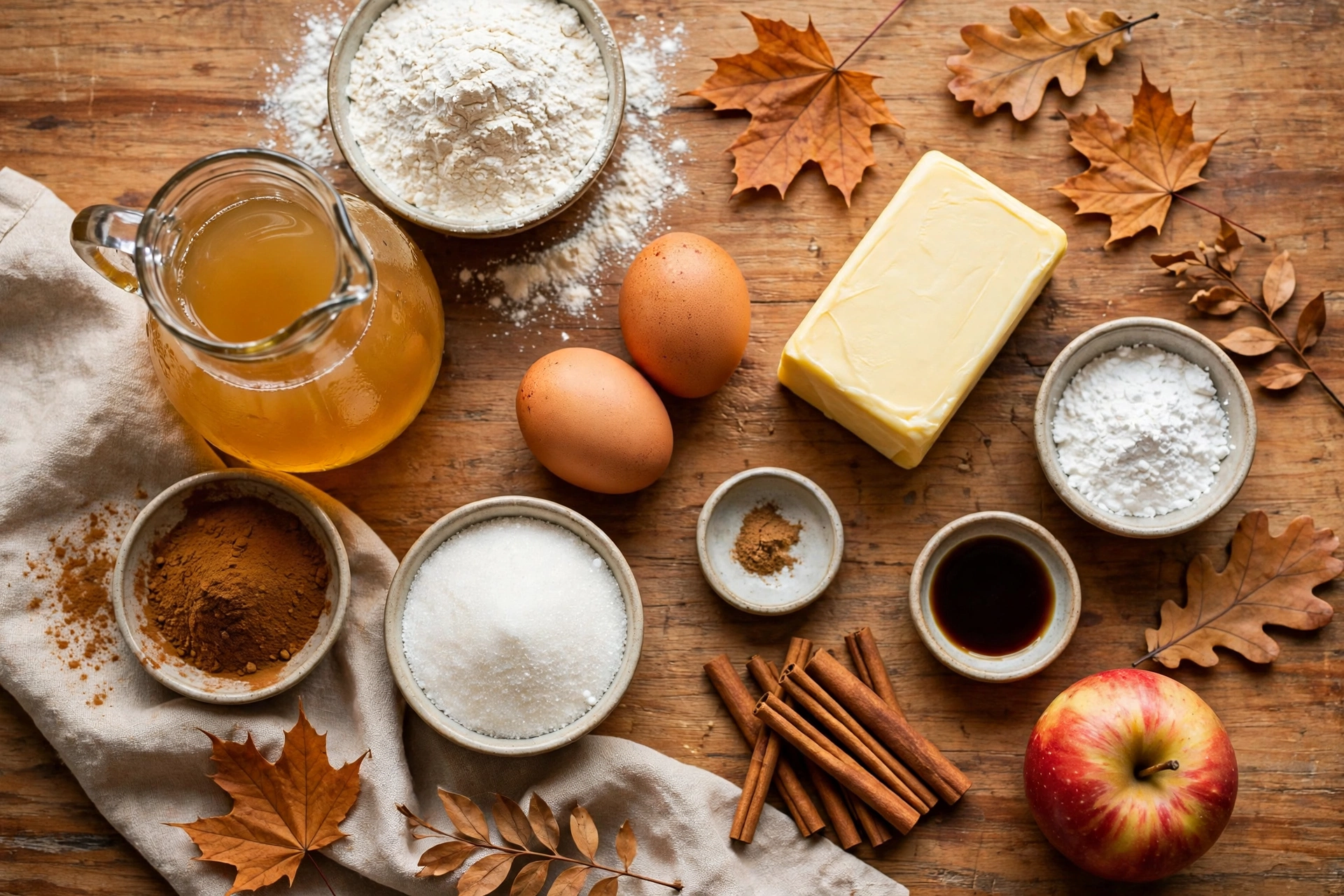
Everything here is a pantry staple, and that is the point. No special equipment, no trip to a specialty store, just flour, cider, cinnamon, and a few minutes of happy frying.
For the donut holes
- 2 cups all-purpose flour
- 1/2 cup granulated sugar
- 2 teaspoons baking powder
- 1 teaspoon ground cinnamon
- 1/2 teaspoon ground nutmeg
- 1/2 teaspoon fine salt
- 2 large eggs, at room temperature
- 3/4 cup apple cider (unfiltered, cloudy cider works best)
- 1/4 cup whole milk
- 2 tablespoons unsalted butter, melted and slightly cooled
- 1 teaspoon vanilla extract
- Vegetable oil, for frying (about 4 cups)
For the cinnamon sugar coating
- 1/2 cup granulated sugar
- 1 1/2 teaspoons ground cinnamon
For the cider glaze (optional, but so worth it)
- 1/2 cup powdered sugar
- 2 tablespoons apple cider
Directions
- Mix the dry ingredients. In a large bowl, whisk together the flour, granulated sugar, baking powder, cinnamon, nutmeg, and salt until everything is evenly combined and there are no pockets of baking powder hiding in the flour. Evenly mixed leavening is what gives you round, evenly puffed donut holes instead of lopsided ones.
- Whisk the wet ingredients. In a second bowl, whisk the eggs until the yolks and whites are fully blended, then whisk in the apple cider, milk, melted butter, and vanilla extract. The mixture will look pale gold and smell faintly of apples already. Use cider at room temperature if you can, since cold cider can make the melted butter firm up into little flecks.
- Make the batter. Pour the wet ingredients into the dry ingredients and stir with a wooden spoon or spatula just until the flour disappears. The batter should be thick, soft, and scoopable, like a very thick muffin batter, with a few small lumps still showing. Do not overmix. Overmixed batter makes tough, dense donut holes, and a few lumps are a sign you stopped at exactly the right moment. Let the batter rest for 5 minutes while the oil heats, which gives the baking powder a head start and the flour time to absorb the cider.
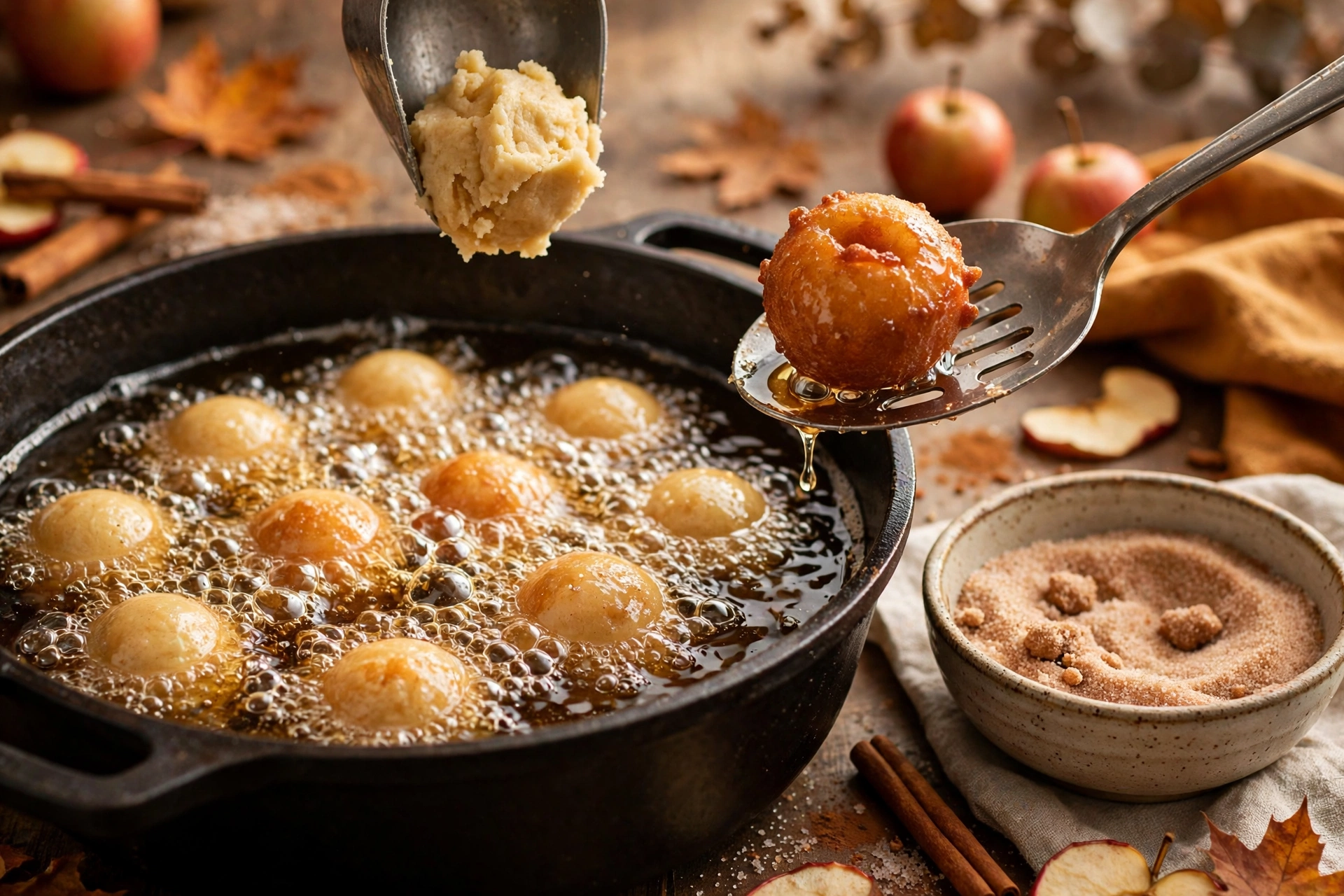
- Heat the oil. Pour about 2 inches of vegetable oil into a heavy pot or deep skillet and heat it over medium heat until it reaches 350 to 375 degrees Fahrenheit on a thermometer. If you do not have a thermometer, drop in a tiny spoonful of batter. It should sizzle right away and float to the surface within a few seconds, turning golden in about 2 minutes. If it browns in under a minute, the oil is too hot, so turn the heat down and wait.
- Fry in batches. Using a tablespoon or a small cookie scoop, drop level tablespoon scoops of batter into the hot oil, about 6 to 8 at a time so the pot stays roomy and the oil temperature holds steady. Fry for 2 to 3 minutes, turning the holes gently with a slotted spoon so they brown evenly on all sides. They will puff up, turn a deep golden brown, and float high in the oil when they are ready. Pull one out and cut it open the first time you make these, just to check. The center should be fluffy and fully cooked, with no wet dough inside. Lift the finished holes out with a slotted spoon and drain them for a few seconds on a plate lined with paper towels.
- Roll in cinnamon sugar. While the donut holes are still warm, roll them in the cinnamon sugar until they are coated all over. The warmth is what makes the sugar stick, so do not wait for them to cool. If a batch has cooled too much and the sugar will not cling, brush the holes very lightly with melted butter first, then roll.
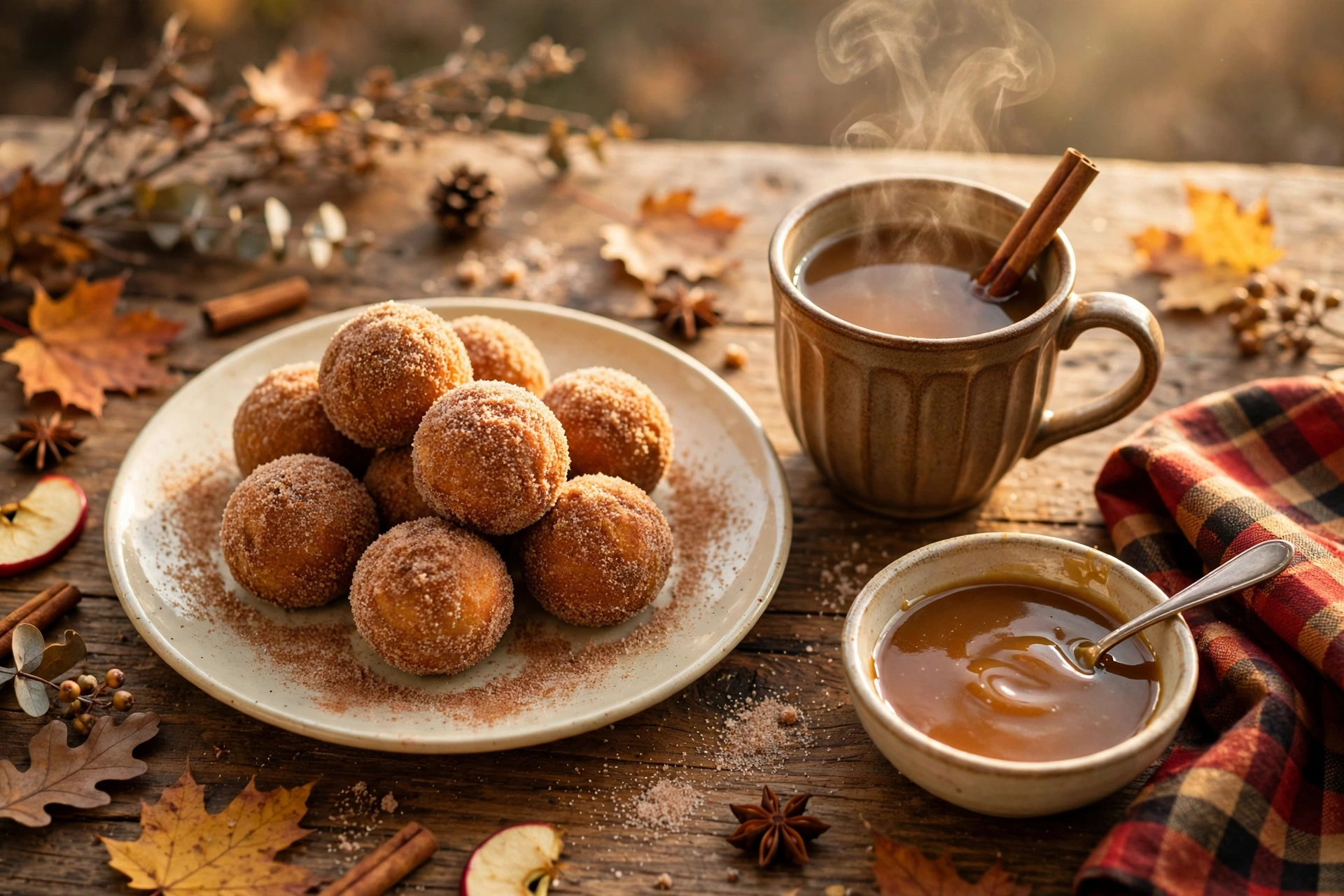
- Glaze and serve. If you are using the cider glaze, whisk the powdered sugar and apple cider together in a small bowl until smooth, adding a few extra drops of cider if it is too thick to drizzle. Drizzle the glaze over the warm donut holes and serve right away, while the outsides are still a little crisp and the insides are soft and steamy. A plate of these with a mug of hot cider is fall breakfast at its very best.
Why This Works
Every ingredient in this recipe has a job, and understanding the jobs is what turns a good batch into a great one. The apple cider does two things at once. First, it brings real apple flavor, the tangy, orchard kind that makes these taste like cider donuts instead of plain sugar donuts. Second, its gentle acidity reacts with the baking powder, giving the batter extra lift, which is why these donut holes puff up so beautifully in the oil.
The two eggs matter more than they look. They bind the batter, add richness, and help the donut holes hold their round shape as they fry. With two eggs and a full cup of liquid between the cider and the milk, the batter is thick enough to scoop cleanly and hold together in the oil, but wet enough to stay tender inside.
Resting the batter for 5 minutes is a small step with a big payoff. While it rests, the flour absorbs the cider and milk, the baking powder starts releasing tiny bubbles, and the batter thickens slightly. A rested batter scoops more neatly, fries more evenly, and gives you a softer crumb. It costs you nothing, because the oil is heating during those same five minutes.
The frying temperature is the real secret of this recipe. Oil between 350 and 375 degrees Fahrenheit is hot enough to set the outside of the batter quickly, which seals in moisture and keeps the donut holes from soaking up grease, but not so hot that the outside burns before the center cooks. That is why the doneness cue is so simple and reliable: deep golden brown outside, fluffy and fully cooked inside, with no wet dough at the center.
Finally, the cinnamon sugar coating works best on warm donut holes because a little steam and a little residual oil help the sugar cling. A cinnamon coating is not just decoration, either. Its warm, sweet spice is the flavor your nose notices first, and it is what makes the whole kitchen smell like a bakery while you work.
Pro Tips
- Use real cider, not apple juice. Cloudy, unfiltered apple cider has a much stronger apple flavor than clear apple juice, and that flavor is the whole point of the recipe. If your store only has spiced cider, use it and leave out the nutmeg.
- Keep a thermometer in the oil. Guessing at oil temperature is the number one reason donut holes come out greasy or raw inside. A simple candy thermometer clipped to the pot takes all the guesswork away.
- Fry small batches. Six to eight holes at a time is the sweet spot. Crowding the pot drops the oil temperature, and cold oil makes greasy donut holes that soak up fat instead of crisping.
- For a deeper apple flavor, reduce the cider. If you have 10 extra minutes, simmer 1 1/2 cups of cider in a small saucepan until it reduces to 3/4 cup, then let it cool before using it in the batter. Just remember the total time becomes about 40 minutes with this step, so save it for a lazy morning.
- Serve them warm. These donut holes are at their absolute best in the first 20 minutes, while the coating is crisp and the centers are soft. Set out a pot of coffee or a mug of Gingerbread Hot Chocolate and watch them disappear.
Common Mistakes
Overmixing the batter. Stirring past the point where the flour disappears develops the gluten in the flour, and that turns soft, fluffy donut holes into tough, chewy ones. Stop as soon as you cannot see dry flour anymore, even if a few lumps remain. Lumps are fine. Tough donut holes are not.
Frying in oil that is too hot. Oil above 375 degrees Fahrenheit browns the outside in under a minute while the center stays raw. If your first batch comes out dark outside and wet inside, the oil is too hot, not the recipe. Turn the heat down, wait a minute, and test one hole before frying the rest.
Frying in oil that is too cool. Oil below 350 degrees Fahrenheit does not set the outside fast enough, so the batter sits in the oil and soaks up grease. The result is a heavy, oily donut hole instead of a light, crisp one.
Crowding the pot. Dropping in too many scoops at once cools the oil fast and makes the holes stick together in a clump. Six to eight at a time keeps the temperature steady and gives each hole room to float and turn.
Rolling cold donut holes in cinnamon sugar. Once the holes are fully cool, the sugar has nothing to cling to and slides right off. Roll them while they are still warm from the oil, and if a batch has cooled, brush it lightly with melted butter first.
Substitutions
- Milk: Any milk works here, dairy or non-dairy. Whole milk gives the richest crumb, but 2 percent, oat milk, or almond milk all fry up beautifully. Use the same 1/4 cup.
- Butter: Swap the melted butter for an equal amount of vegetable oil or melted coconut oil if you prefer. The butter adds flavor, but the recipe works with either.
- Nutmeg: Leave it out if you do not have it, or swap in 1/4 teaspoon of ground allspice or ground cloves for a slightly different warm spice note. If your cider is already spiced, skip the nutmeg entirely.
- Vanilla extract: Almond extract works in a pinch, but use only 1/2 teaspoon, since it is much stronger than vanilla. You can also leave it out altogether.
- Gluten-free: A cup-for-cup gluten-free flour blend can replace the all-purpose flour. The batter will be a little softer, so let it rest a full 10 minutes before frying.
- Glaze: Skip the cider glaze and serve the holes with a dusting of powdered sugar instead, or set out a bowl of warm caramel sauce for dipping.
- Baked version: If you would rather not fry, the baked method in the FAQ below uses the same batter in a mini muffin pan. The holes come out softer and less crisp, but they are still warm, cinnamony, and delicious.
Storage & Make-Ahead
These donut holes are at their best warm from the pot, but a little planning keeps them lovely for days. The batter can be mixed, covered, and refrigerated for up to 12 hours; give it a gentle stir before scooping. Cooked donut holes keep in an airtight container at room temperature for up to 2 days. Warm them in a 300 degree Fahrenheit oven for about 5 minutes to bring back the crisp edges, and roll them in a little fresh cinnamon sugar if the coating has gone soft. For longer storage, freeze the plain, uncoated holes in a single layer on a baking sheet until firm, then transfer them to a freezer bag for up to 1 month. Thaw at room temperature, warm them in the oven, and then roll in cinnamon sugar and drizzle with glaze. Do not freeze the glazed or sugar-coated holes, since the coating turns sticky and wet as it thaws.
Frequently Asked Questions
Can I bake apple cider donut holes instead of frying them?
Yes, and they turn out soft and lovely, just a little less crisp on the outside. Spoon the batter into a greased mini muffin pan, filling each cup about two-thirds full, and bake at 350 degrees Fahrenheit for 10 to 12 minutes, until a toothpick comes out clean. While they are still warm, brush each one with melted butter and roll it in the cinnamon sugar. The baked version is a great choice when you want a lighter treat or you are cooking with kids.
Why did my donut holes come out raw in the middle?
Almost always, the oil was too hot or the scoops were too big. Oil hotter than 375 degrees Fahrenheit browns the outside before the heat reaches the center, and a scoop bigger than a tablespoon needs more time than the outside can take. Keep the oil between 350 and 375 degrees Fahrenheit, use level tablespoon scoops, and fry for 2 to 3 minutes per batch, turning the holes so they brown evenly. When in doubt, pull one out and cut it open; the center should be fluffy and fully cooked, with no wet dough inside.
Can I make apple cider donut holes ahead of time?
They are at their best warm from the pot, but you can absolutely plan ahead. The batter can be mixed, covered, and refrigerated for up to 12 hours; give it a gentle stir before scooping. Cooked donut holes keep in an airtight container at room temperature for up to 2 days. Warm them in a 300 degree Fahrenheit oven for about 5 minutes to bring back the crisp edges, and roll them in a little fresh cinnamon sugar if the coating has gone soft. For longer storage, freeze the plain, uncoated holes for up to 1 month, thaw at room temperature, warm them, and then roll in cinnamon sugar.
What is the best apple cider to use for donut holes?
Use real, unfiltered apple cider, the cloudy kind you find in the refrigerated section in fall, not clear apple juice. Cloudy cider has a stronger, tangier apple flavor that survives the frying, and it is what gives these donut holes their orchard taste. Spiced cider works too, and you can simply leave out the nutmeg if your cider is already spiced. Skip shelf-stable clear apple juice, which is much milder and will leave the donut holes tasting mostly of cinnamon sugar.
That is the whole recipe, and honestly, it is one of those recipes that earns a permanent place in the fall rotation after a single batch. Warm cinnamon sugar, real apple cider, soft centers, and a kitchen that smells like an orchard, all in 30 minutes. For a party, pile the donut holes on a board with our Easy Cinnamon Roasted Almonds, apple slices, and a small bowl of cider glaze for dipping. Make a double batch if friends are coming, because the first plate never makes it to the table. And when you do make them, pull one open while it is still warm, watch the steam curl up, and take the first bite standing right there at the stove. That bite is the best part.
Rate this recipe
Be the first to rate it!
1 thought on “Easy Apple Cider Donut Holes (30-Minute Cinnamon Sugar Fall Breakfast)”