
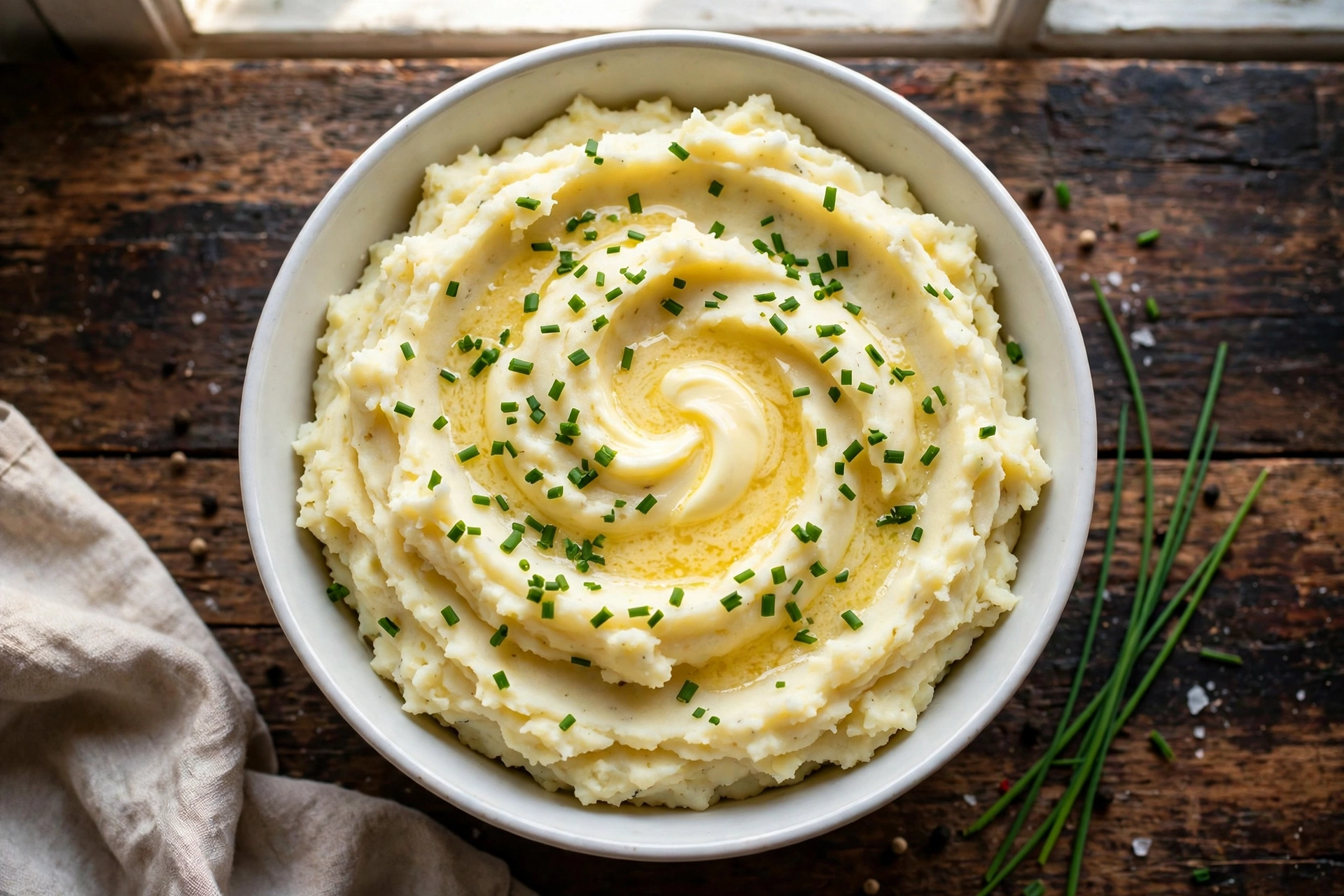
Imagine Thanksgiving morning with zero potato panic. No giant pot boiling over on a crowded stove, no last-minute mashing while the turkey rests — just a dish of creamy, buttery mashed potatoes sliding into the oven, already done. These easy make-ahead mashed potatoes are exactly that holiday hero: fluffy, rich and freezer-friendly, made with one simple trick (warm dairy plus a scoop of sour cream) that keeps them silky even after days in the fridge or a month in the freezer.
They taste like you mashed them five minutes ago. Your family will never guess you made them ahead.
Recipe at a Glance
Prep time: 15 minutes | Cook time: 25 minutes | Total time: 40 minutes (plus optional chilling) | Servings: 8
Why You’ll Love These Make-Ahead Mashed Potatoes
Every holiday table needs mashed potatoes, and mashed potatoes have been a beloved comfort food around the world for generations. This version keeps everything you love — the pillowy fluff, the buttery swirls, the cozy familiarity — and removes the one thing nobody loves: the holiday-day rush. Mash them on Tuesday, bake them on Thursday. They reheat so beautifully that you will wonder why you ever mashed potatoes on the day itself.
Ingredients
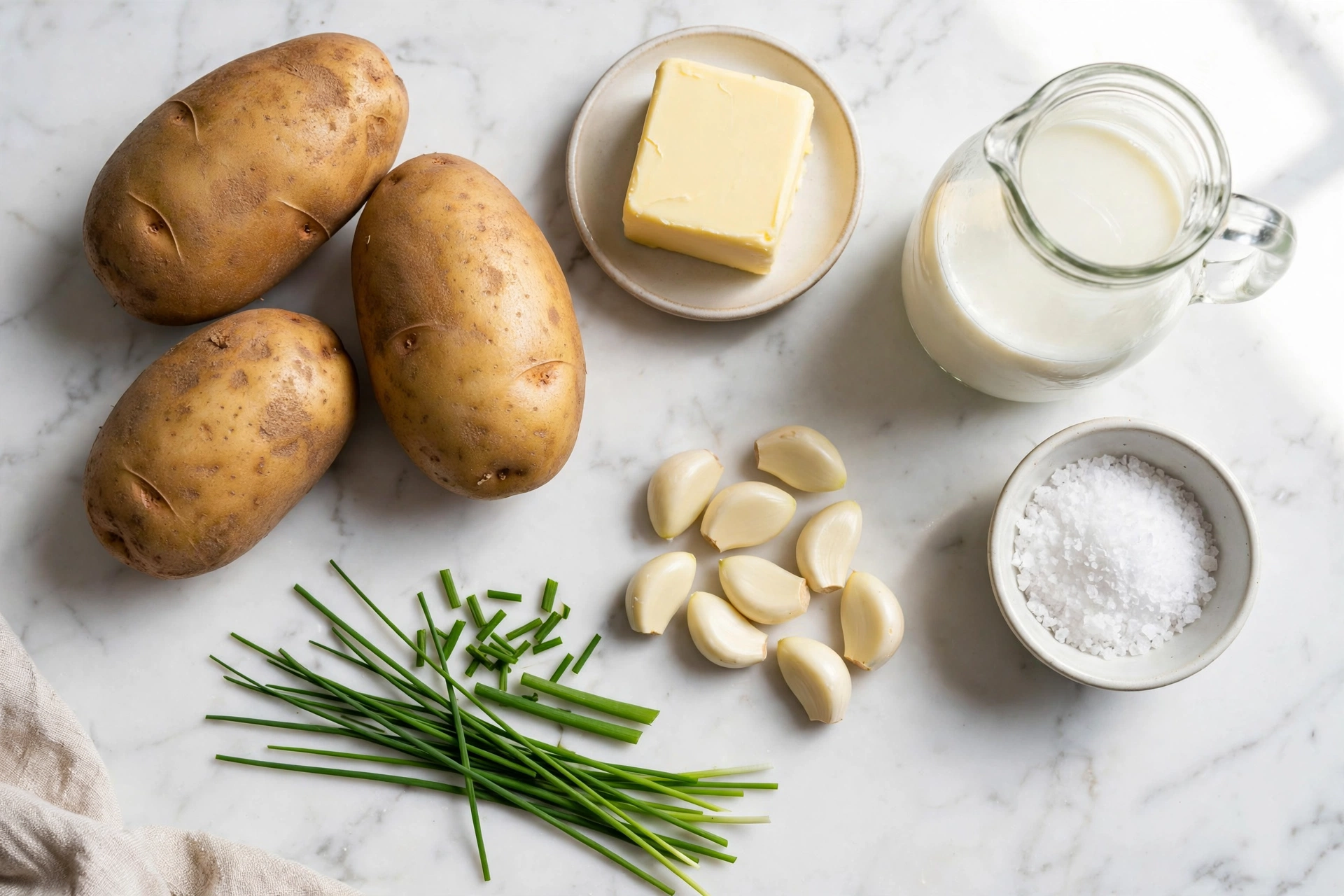
- 3 lb Yukon Gold or russet potatoes, peeled and cut into 1.5-inch pieces
- 1 tbsp kosher salt, for the cooking water, plus more to taste
- 6 tbsp unsalted butter, plus 2 tbsp more for dotting the top
- 3/4 cup whole milk, warmed
- 1/2 cup sour cream, at room temperature (the make-ahead secret)
- 1/2 tsp freshly ground black pepper
- 2 tbsp chopped fresh chives, for garnish (optional)
Directions
- Prep the potatoes. Peel and cut the potatoes into uniform 1.5-inch pieces — equal sizes mean they all finish cooking at the same moment, so none turn to mush while others stay hard. Place them in a large pot, cover with cold water by 1 inch, and stir in the tablespoon of salt.
- Boil until perfectly tender. Bring to a boil over high heat, then lower to a steady simmer and cook 18 to 22 minutes, until a fork slides through the biggest piece with zero resistance. This is the most important doneness test in the whole recipe — undercooked potatoes make lumpy mash no amount of butter can save.
- Warm the dairy. While the potatoes cook, gently warm the milk and 6 tablespoons of butter in a small saucepan over low heat until the butter melts. Warm dairy blends into hot potatoes without cooling them down — cold milk is the fastest way to gluey, heavy mashed potatoes.
- Drain and dry. Drain the potatoes thoroughly, then return them to the hot empty pot for 1 minute, shaking gently. That last bit of steam drives off surface moisture, which is the difference between fluffy and watery.
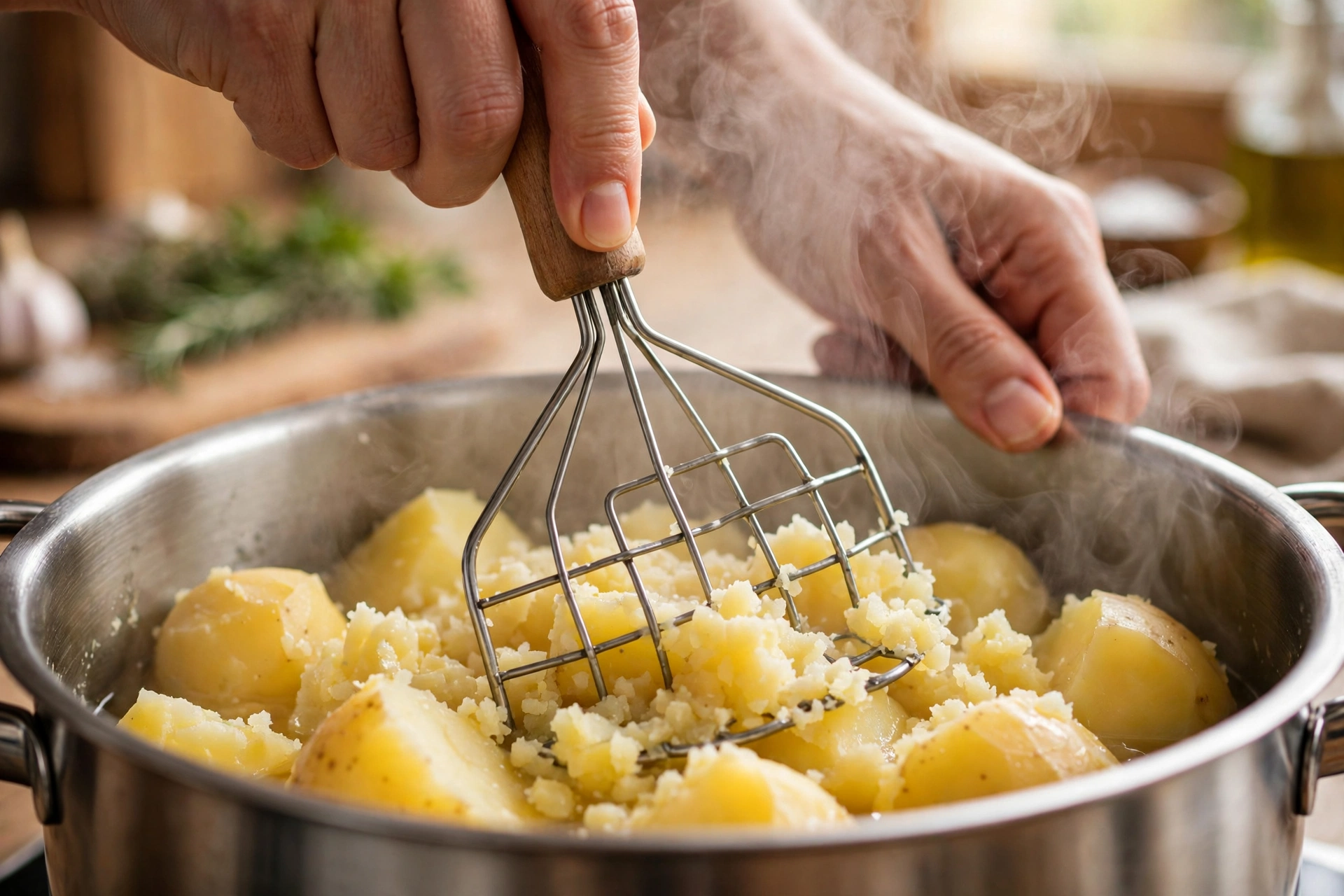
- Mash and fold. Mash the potatoes with a hand masher or ricer to your favorite texture, then fold in the warm milk-butter mixture, the room-temperature sour cream, pepper, and more salt to taste. Fold gently — stirring aggressively overworks the starch and turns potatoes gummy.
- Make it ahead. Spread the mash into a buttered 9×13-inch baking dish, dot with the remaining 2 tablespoons of butter, and let cool for 30 minutes. Cover tightly and refrigerate for up to 3 days, or freeze for up to 1 month. To serve, bake covered at 350°F for 30 to 35 minutes (45 to 50 minutes from frozen) until steaming hot, then shower with chives.
Why This Method Works
Great mashed potatoes are about starch management, and every step here serves that goal. Starting the potatoes in cold salted water lets them heat evenly from edge to center, and salting the water seasons them from the inside out — seasoning at the end only coats the surface. Warming the dairy matters because hot potatoes absorb warm liquid like a sponge, while cold liquid drops their temperature and forces you to overmix to get everything incorporated. The sour cream is the make-ahead hero: its extra fat and gentle acidity coat the starch granules, so the potatoes stay creamy through chilling, freezing and reheating instead of turning pasty. Finally, that one-minute steam-dry in the hot pot removes surface water that would otherwise thin your mash. It is a small step with an outsized payoff.
Pro Tips
- Pick Yukon Golds for the creamiest result. Their naturally buttery flavor and medium starch make an almost foolproof mash. Russets give you the lightest, fluffiest texture — either works beautifully here.
- Room-temperature sour cream is non-negotiable. Cold sour cream hits hot potatoes like an ice bath and cools everything unevenly. Set it on the counter when you start peeling.
- Use a ricer for restaurant-smooth. A hand masher gives you cozy, rustic texture; a ricer gives you silk. Both are delicious — just never use a food processor or blender, which turns potatoes into wallpaper paste.
- Salt in layers. Salted cooking water, then a final taste-and-adjust at the end. Under-salted mashed potatoes taste flat no matter how much butter you add.
- Cool before covering. Let the baking dish sit on the counter for 30 minutes before wrapping. Covering hot potatoes traps steam and thins them out.
Common Mistakes (and How to Fix Them)
Mistake: Gluey, sticky potatoes. This happens from overworking the starch — usually overmixing or using a food processor. Fix: fold gently and stop as soon as the dairy is absorbed. A few tiny lumps are charming.
Mistake: Watery mash. Skipping the steam-dry step leaves surface water in the pot. Fix: always give the drained potatoes that 1 minute back on the heat.
Mistake: Bland potatoes. The cooking water was not salted. Fix: salt generously now and taste again after reheating — flavors mellow in the fridge.
Mistake: Lumpy after reheating. The dish went into the oven fridge-cold and uncovered. Fix: bake covered so the steam re-hydrates the top, and add a splash of warm milk when stirring before serving.
Substitutions
- No sour cream? Use full-fat Greek yogurt or an extra 1/2 cup of warm milk plus 2 tablespoons more butter.
- Dairy-free? Swap in olive oil or vegan butter and warm unsweetened oat milk; skip the sour cream or use a dairy-free version.
- Garlic lovers: Simmer 4 peeled garlic cloves with the potatoes and mash them right in, or stir in 1 teaspoon of roasted garlic paste.
- Extra decadent: Fold in 1/2 cup of shredded sharp cheddar or a spoonful of cream cheese with the sour cream.
Storage and Make-Ahead
Refrigerate the assembled dish, tightly covered, for up to 3 days. Freeze for up to 1 month — press plastic wrap directly onto the surface before the lid to prevent freezer burn. Thaw overnight in the fridge for the creamiest reheat, or bake straight from frozen at 350°F for 45 to 50 minutes. Leftovers keep 3 to 4 days refrigerated; reheat with a splash of milk, stirring until steaming. Cool any leftovers within 2 hours of serving and refrigerate promptly.
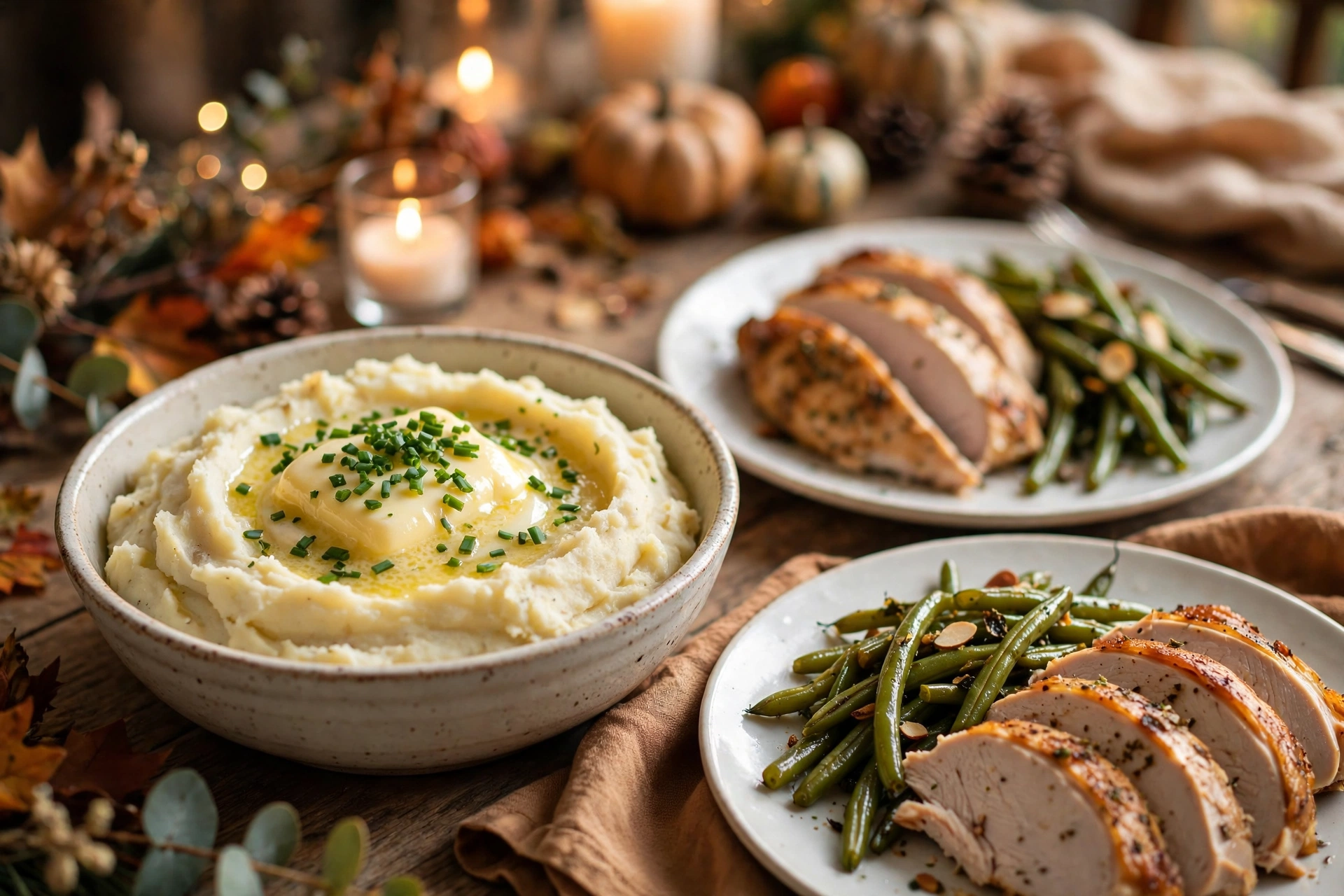
Building your full holiday menu? Our easy Thanksgiving side dishes roundup has the whole spread covered, and these potatoes love company — try them next to 15-minute garlic butter green beans and a basket of warm honey butter cornbread.
Potatoes bring more than comfort to the table — they are packed with potassium and vitamin C, which makes this crowd-pleaser a genuinely nourishing side, not just an indulgence.
Frequently Asked Questions
Can I make mashed potatoes 2 days ahead?
Absolutely. Prepare them fully, spread into a buttered baking dish, cool 30 minutes, cover tightly and refrigerate for up to 3 days. Bake covered at 350°F for 30 to 35 minutes until steaming, adding a splash of warm milk if needed.
Can you freeze mashed potatoes?
Yes — these freeze beautifully for up to 1 month thanks to the butter and sour cream, which protect the texture. Press plastic wrap directly on the surface, cover, and freeze. Thaw overnight in the fridge, then bake covered at 350°F until hot.
How do I reheat mashed potatoes without them getting gluey?
Reheat gently and covered so steam keeps them moist. Bake at 350°F covered for 30 to 35 minutes, or microwave in short bursts, stirring in a splash of warm milk halfway through. Avoid high heat and never re-boil them.
Russet or Yukon Gold potatoes for mashed potatoes?
Both work. Yukon Golds give a naturally buttery, creamy mash that is nearly foolproof, while russets give the lightest, fluffiest texture. Avoid waxy red potatoes on their own — they turn gluey when mashed.
Rate this recipe
Be the first to rate it!
8 thoughts on “Easy Make-Ahead Mashed Potatoes (Freezer-Friendly Side Dish)”